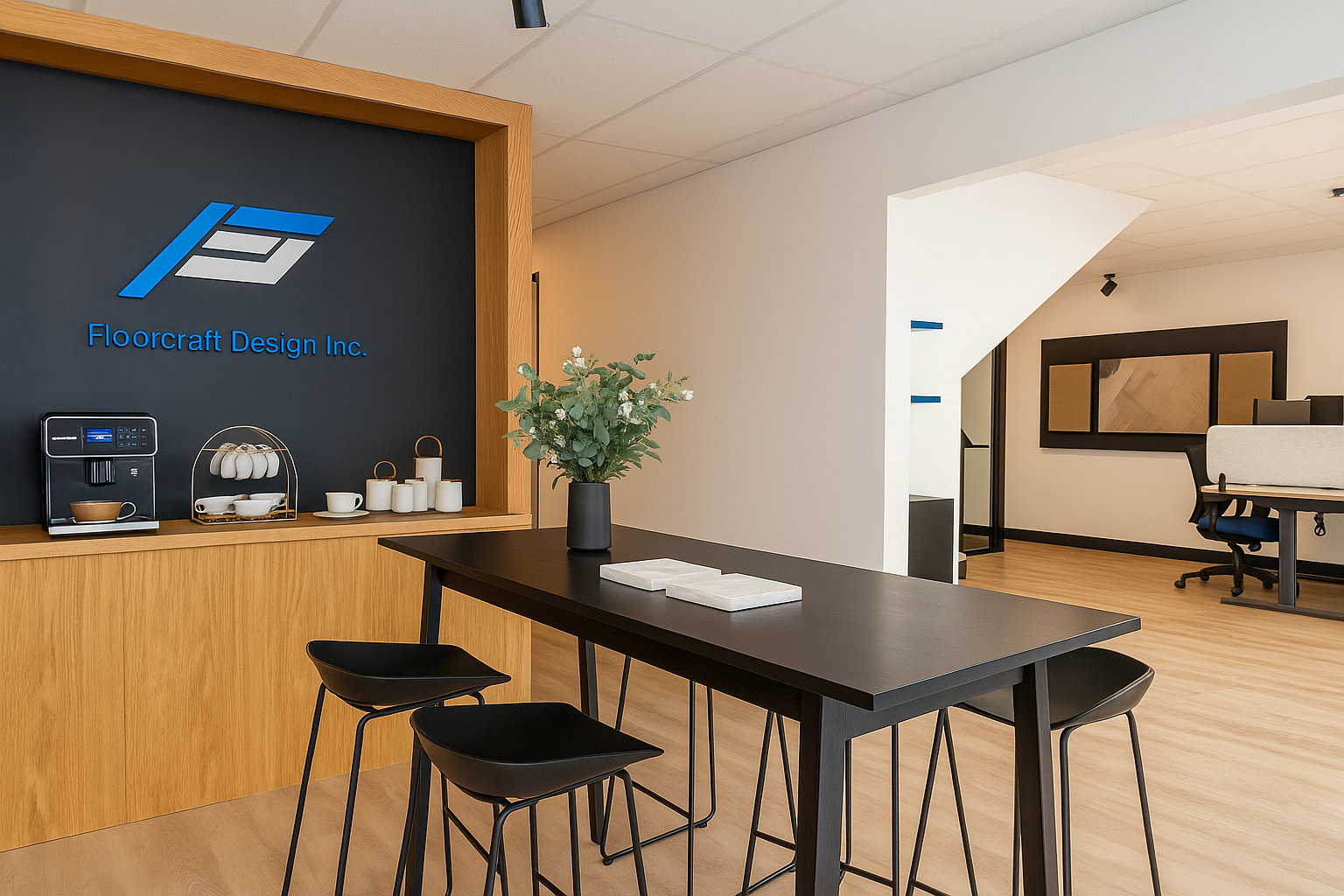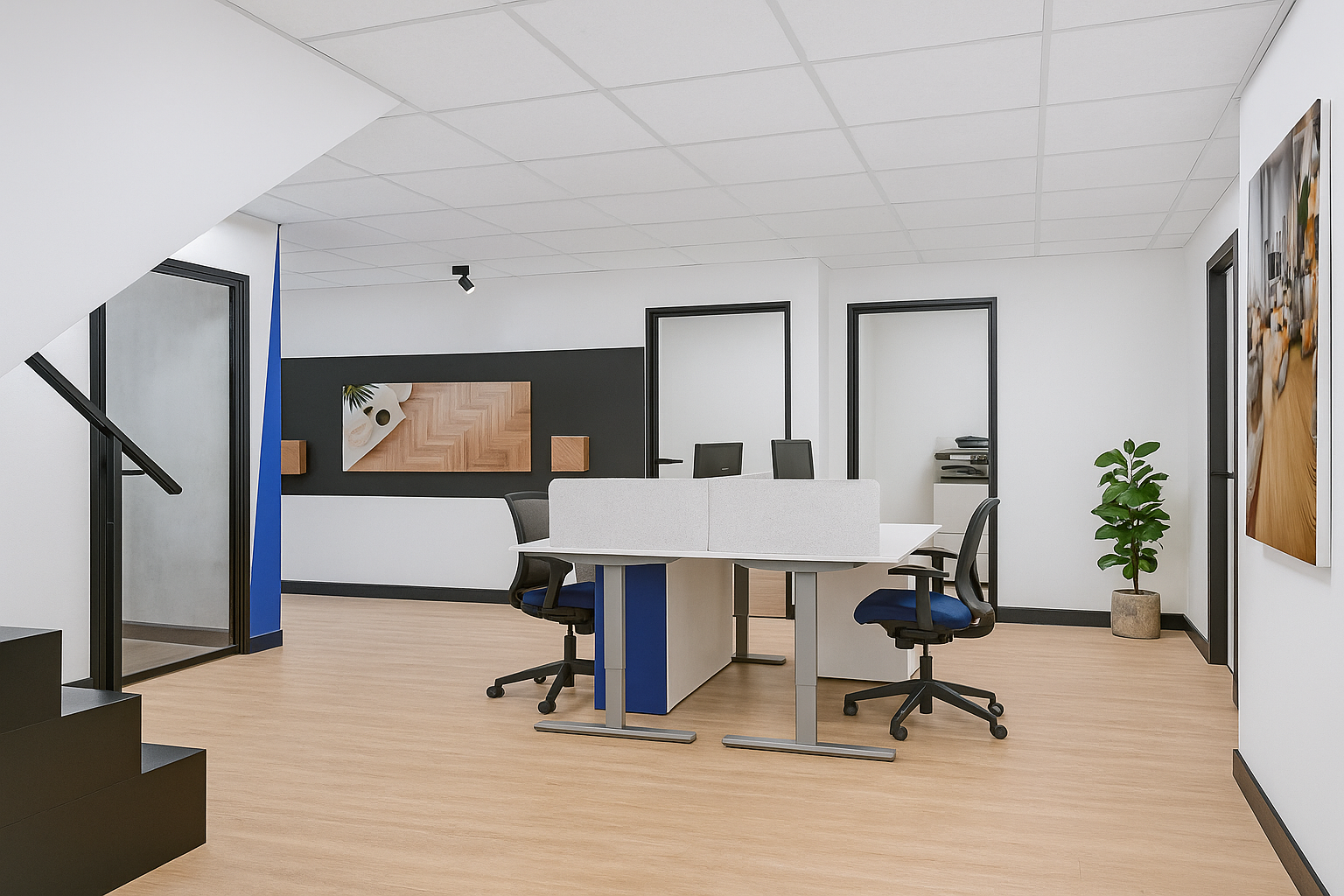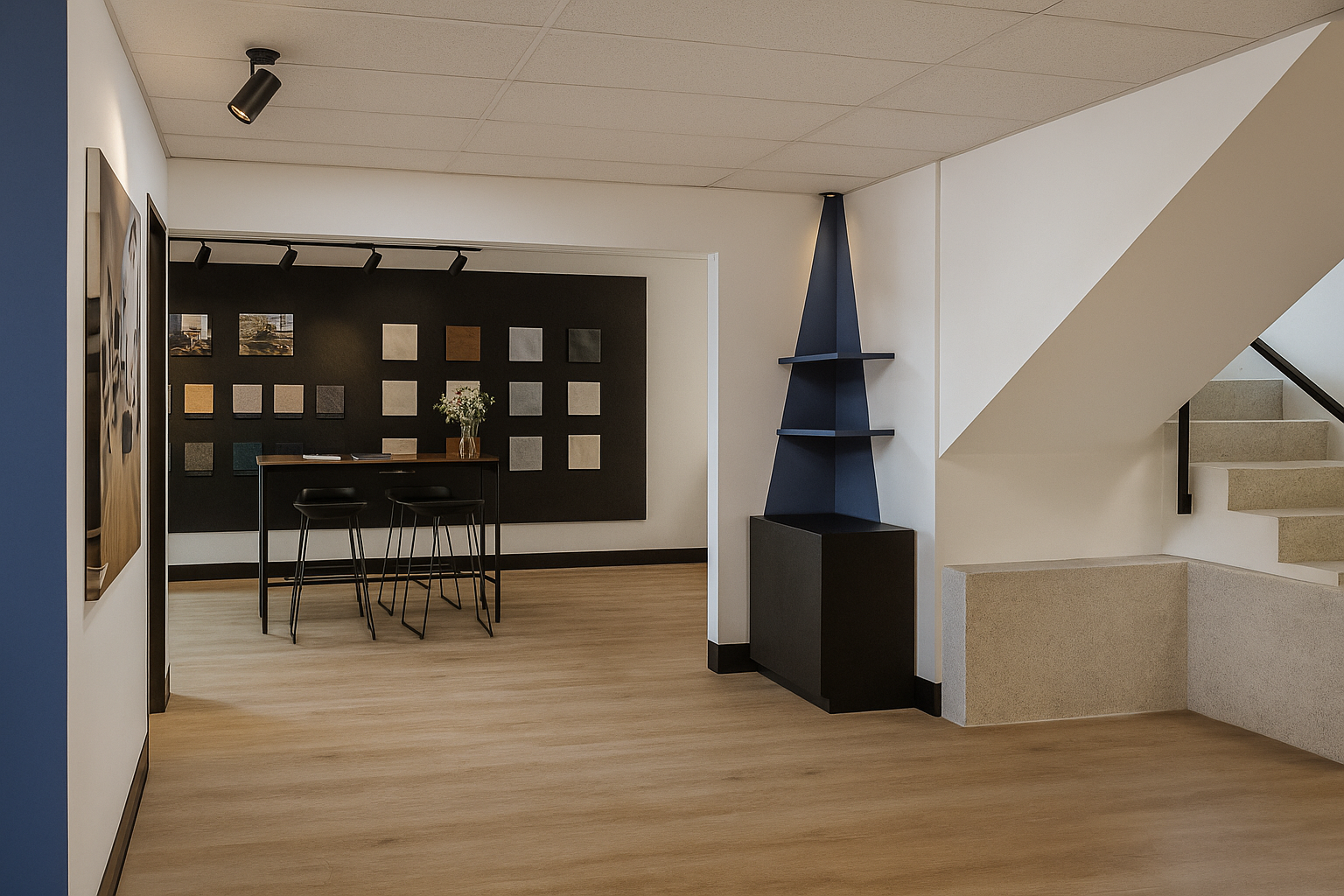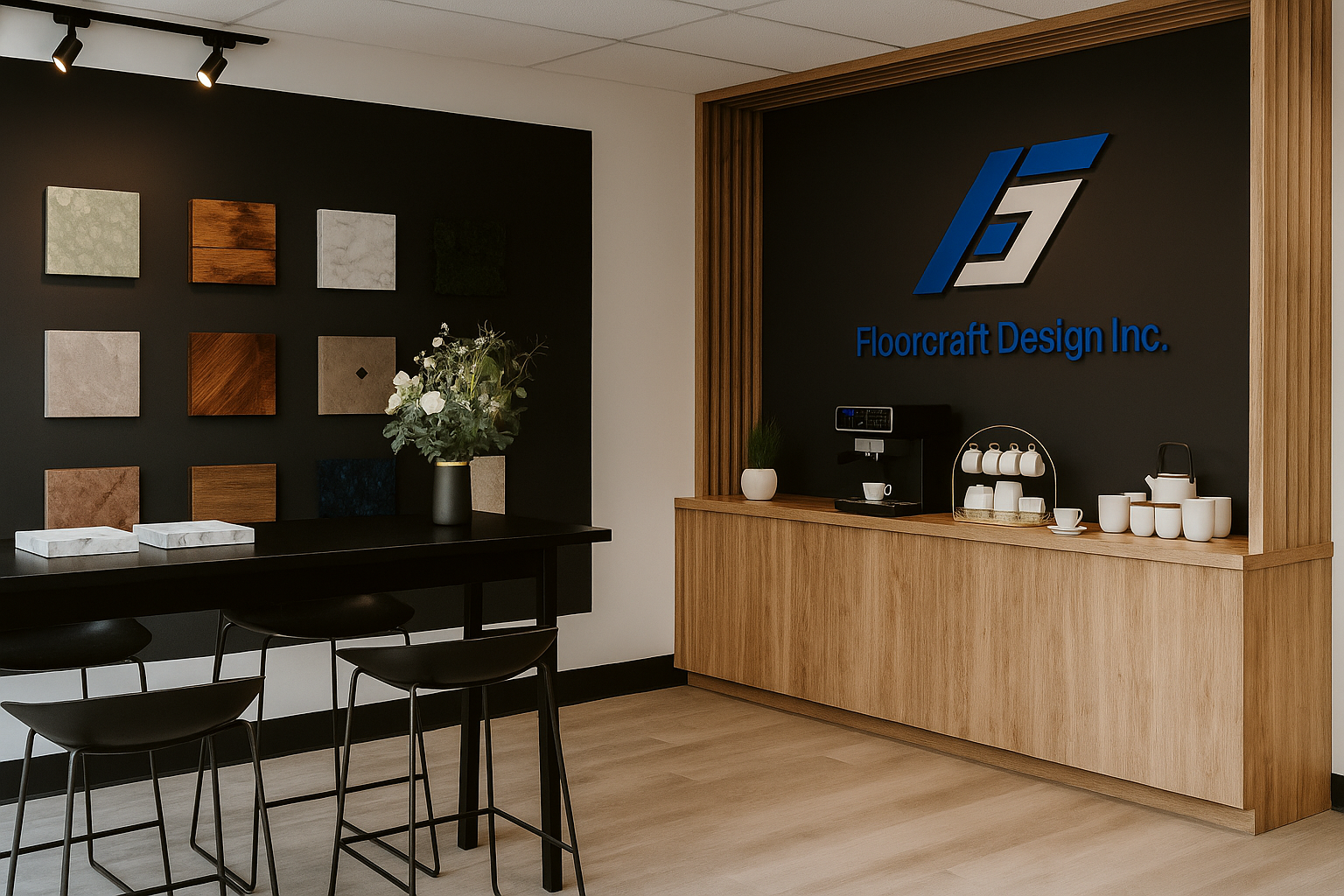
A company might talk about innovation while operating from a rigid, outdated office design. Another might promote collaboration while employees spend most of the day isolated behind closed doors. Clients notice the disconnect immediately, even if they cannot explain it directly. Employees notice it even faster.
That gap between brand and office interior design is more common than most companies realize. Research on workplace perception consistently shows that people form opinions about professionalism, trust, and company culture within seconds of entering a space. Long before a presentation begins or a proposal is reviewed, the office is already communicating something.
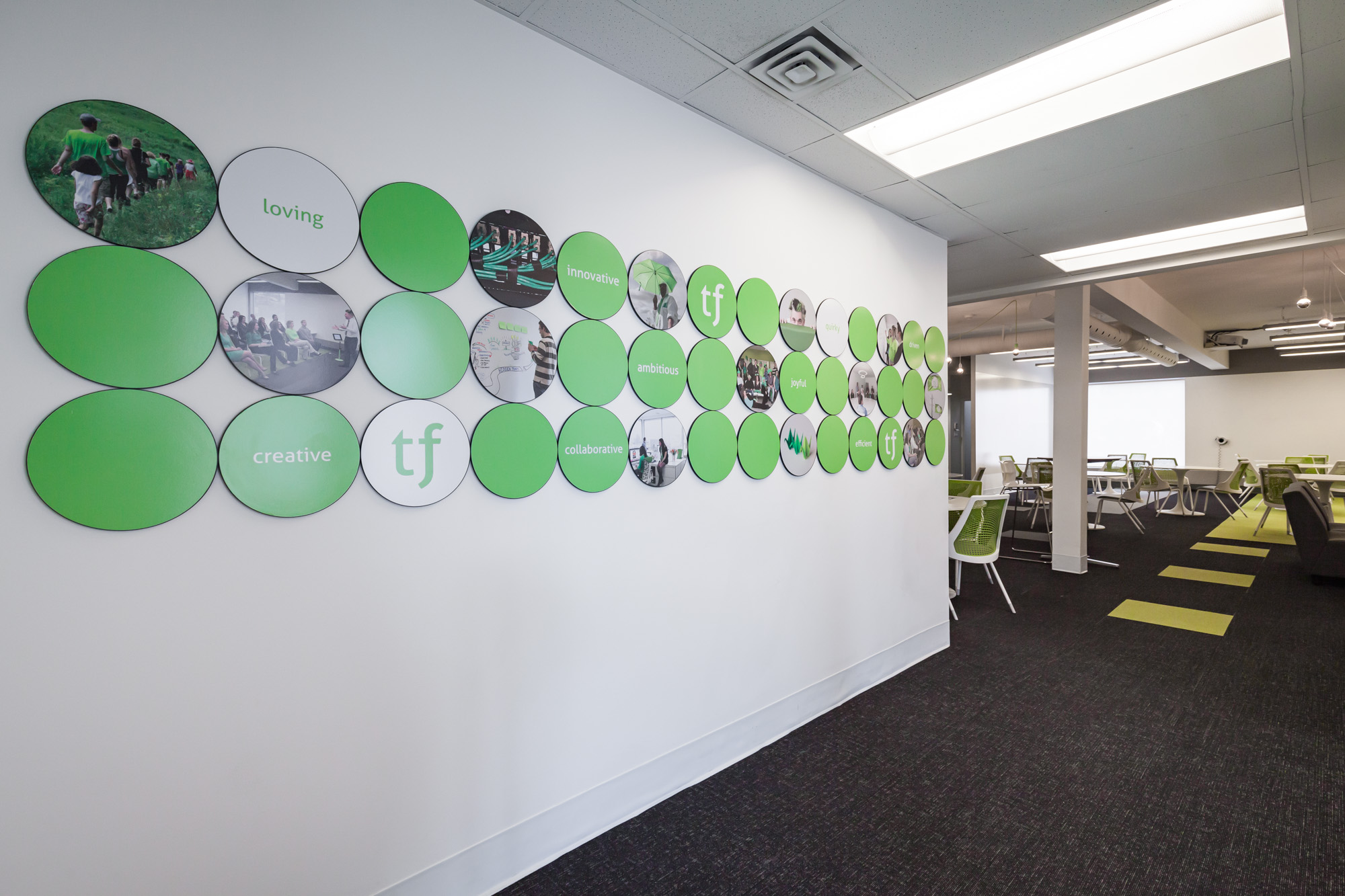
The strongest workplaces do not rely on branding graphics or oversized logos to create identity. They create alignment. The space feels consistent with how the company operates, how teams work, and what the business claims to value.
That is where office interior design becomes more than visual improvement. It becomes a business tool that shapes trust, employee experience, and brand perception at the same time.
Office Interior Design Should Reflect Behaviour, Not Marketing Language
Many workplaces are designed around how the company wants to appear rather than how people actually work.
That disconnect usually becomes visible very quickly. A business that promotes openness may still operate through hierarchy and siloed teams. A company that claims flexibility may force employees into rigid layouts that make collaboration harder instead of easier.
This is why office interior design works best when it reflects operational reality first.
The layout should support how conversations happen, where focus is needed, and how teams interact during the day. Open environments may work well for collaborative creative teams, while quieter, more structured layouts may better support consulting, finance, or legal environments.
Commercial interior design becomes more effective when it stops trying to imitate trends and starts translating actual workplace behaviour into space.
That alignment is what makes a workplace feel authentic instead of staged.
Commercial Interior Design Builds Trust Before Anyone Speaks
Clients begin forming opinions before they sit down for a meeting.
The reception experience, the acoustics, the flow between spaces, and even the level of visual organization all contribute to how the company is perceived.
Professional environments do not need to feel cold or overly formal, but they do need clarity and control.
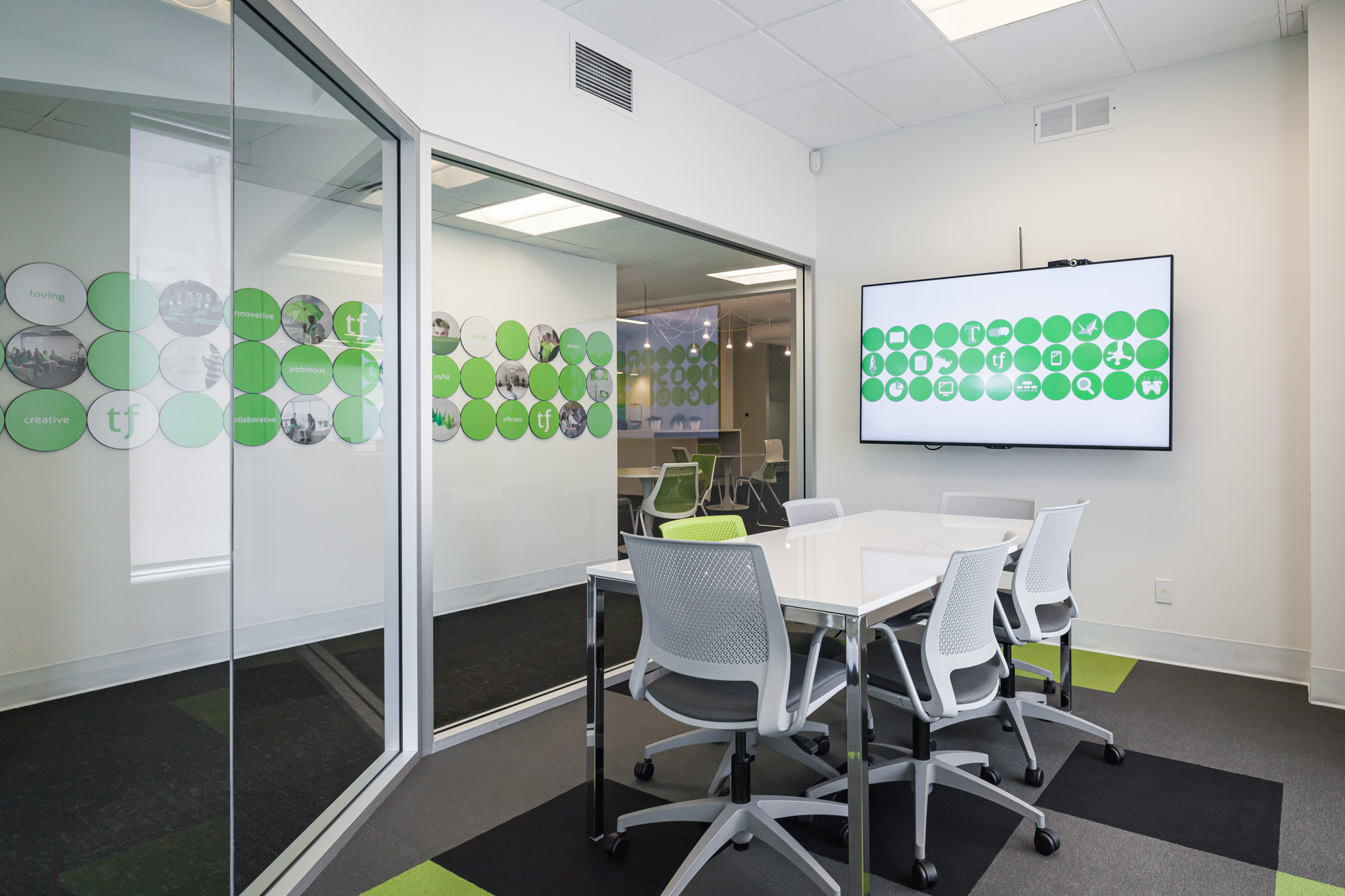
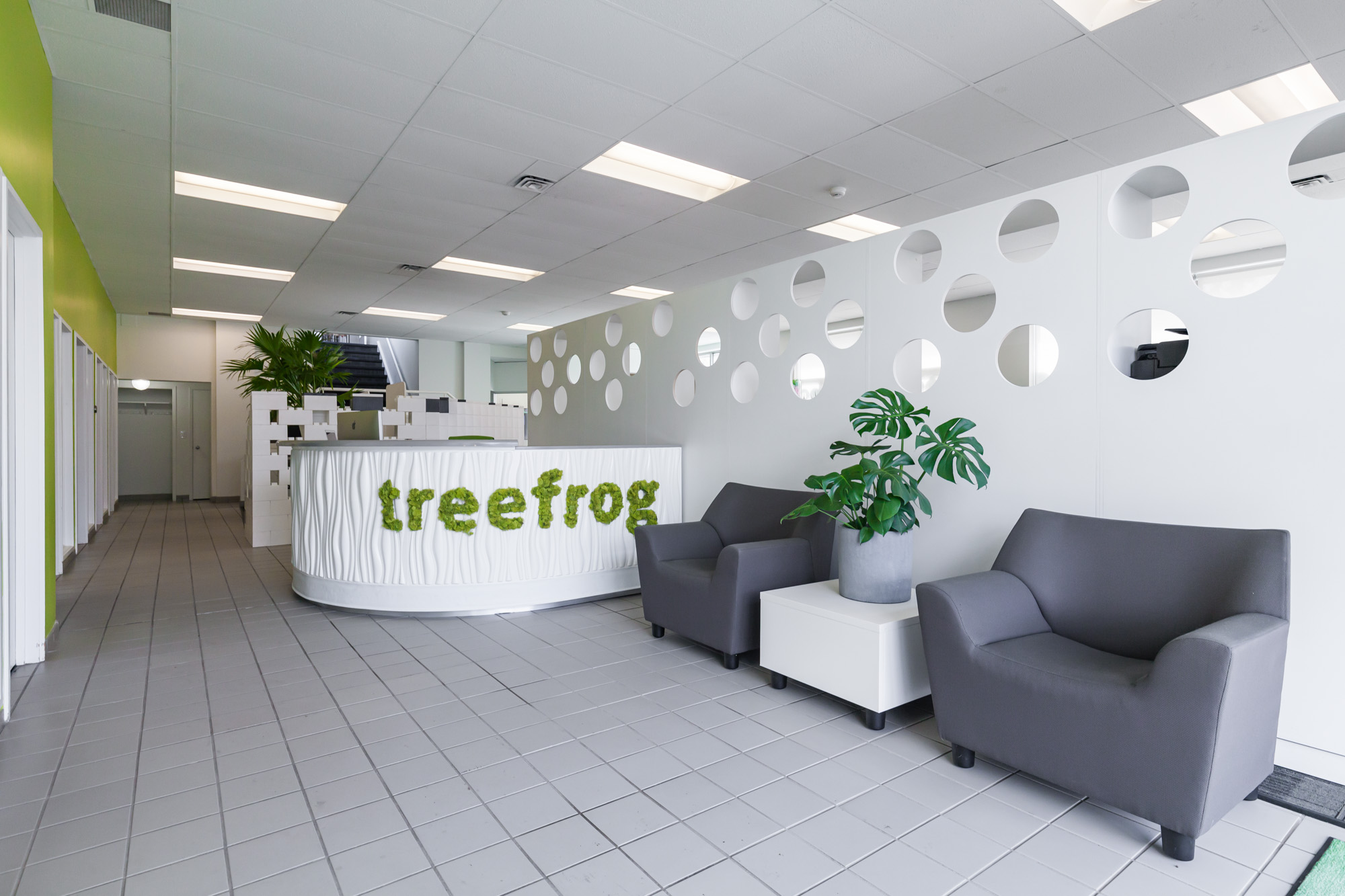
Corporate interior design plays a major role here. A well-planned reception area creates confidence immediately. Meeting rooms that feel private and organized reinforce professionalism. Clear circulation paths reduce confusion and create a smoother experience for visitors.
Commercial interior design that lacks structure often creates subtle tension. Clients may not identify the exact issue, but they feel when a workplace appears chaotic, overcrowded, or disconnected from the company’s positioning.
Trust is shaped by these details long before business discussions begin.
Office Design Layout Reveals What the Company Actually Values
The way space is allocated says more about company culture than most mission statements.
An office design layout reveals what the organization prioritizes every day.
If collaboration matters, employees should have spaces that make interaction easy without disrupting focused work. If concentration is important, quiet areas need to be accessible instead of treated as secondary. If leadership values transparency, the workplace should not feel divided between isolated executive zones and crowded staff areas.
Interior design services that focus on workplace strategy look closely at these patterns.
They evaluate how teams move through the office, where friction happens, and which areas support productivity versus interrupt it. The goal is not simply to make the office look branded. It is to ensure the space supports the company’s operational priorities in a visible way.
When office design layout aligns with actual workplace behaviour, the environment begins reinforcing culture naturally.
Office Furniture Design Shapes Brand Perception More Than Most Companies Expect
Furniture decisions are often treated as secondary, but employees and clients experience them constantly.
Office furniture design affects comfort, movement, flexibility, and overall perception of quality.
Cheap or inconsistent furniture immediately weakens the credibility of the workplace, especially in client-facing industries. On the other hand, overly trendy furniture that prioritizes appearance over usability tends to age quickly and frustrate employees.
This is where Canadian office furniture often performs well. Many systems are designed for long-term flexibility and durability rather than short-term visual trends. That balance matters in workplaces that need to evolve over time without constant replacement.
Interior design services that integrate office furniture design early in the planning process usually create more cohesive environments. Workstations align with circulation. Meeting spaces support real usage patterns. Shared spaces feel intentional instead of improvised.
The result feels stable, consistent, and professional without trying too hard to appear branded.
Interior Design Services Help Translate Brand Identity Into Daily Experience
Most companies already know how they want to be perceived.
The challenge is translating those ideas into physical space without becoming superficial.
That process goes beyond choosing colours or placing logos on walls. It involves translating company values into layout decisions, material choices, acoustics, lighting, and employee experience.
Interior design services help connect these layers together.
A company that values innovation may benefit from flexible collaboration areas and adaptable workspaces. A professional services firm may require stronger acoustic separation and more controlled meeting environments. A growing business focused on recruitment may prioritize employee comfort and hospitality-driven amenities.
Interior design firms Toronto that specialize in workplace strategy often approach branding through operational alignment rather than visual decoration alone.
That approach creates offices that feel believable because the environment supports what the company actually does.
Brand Identity Becomes Stronger When Employees Believe It Too
Employees experience the workplace more than anyone else.
If the office contradicts company messaging, they feel it every day.
A business that promotes employee wellbeing while providing poor lighting, uncomfortable workstations, and limited focus areas sends a very different message in practice.
This is why office interior design has such a strong effect on morale and retention.
People are more likely to feel connected to the organization when the workplace reflects genuine investment in how they work. Office space planning that reduces friction, improves focus, and supports collaboration creates a more believable company culture than branding language alone ever could.
Corporate interior design becomes most powerful when employees stop noticing the design itself and simply feel supported by the environment around them.
The Best Branded Offices Do Not Feel Overdesigned
Some workplaces try too hard to communicate identity.
Oversized graphics, excessive messaging, and trend-heavy design choices often feel temporary because they focus on appearance rather than experience.
The strongest offices tend to feel quieter and more resolved.
The layout works naturally. Materials feel consistent. The atmosphere aligns with how the company operates. Employees feel comfortable. Clients feel confident.
That consistency creates stronger brand perception than visual branding alone.
Office interior design becomes memorable when it supports behaviour and experience instead of competing for attention.
Frequently Asked Questions (FAQ):
How do I know if my office interior design actually expresses my brand?
Professional interior design services conducts brand audit comparing office design layout to brand values. Ask clients and employees what brand feeling the space communicates. If they cannot articulate connection to your stated values, alignment work is needed. Corporate interior design should make brand obvious without explanation.
Should I match office interior design exactly to logo colours?
No. Professional interior design services uses brand colours as inspiration but develops office colour scheme that works at architectural scale. Logo colour might dominate accent walls or details. Corporate interior design uses colour strategically rather than literally matching brand palette everywhere.
What if my company culture contradicts my brand positioning?
Professional office interior design should reflect genuine organisational reality, not false marketing claims. If brand promise does not match actual culture, either change the brand promise or address the culture. Corporate interior design that contradicts reality undermines credibility. Interior design services can help you design honest office that reflects who you actually are.
Key Takeaways
- Office interior design should reflect how teams actually work, not just marketing language
- Commercial interior design shapes trust before conversations begin
- Office design layout reveals company priorities through how space is allocated
- Office furniture design affects comfort, professionalism, and long-term flexibility
- Canadian office furniture often supports adaptability and durability better than trend-driven systems
- Interior design services help translate company values into physical environments
- Strong branded workplaces feel aligned and believable rather than overly designed
- Employee experience plays a major role in whether brand identity feels authentic
The most effective workplaces do not rely on branding graphics to communicate identity.
They create environments that feel consistent with how the business operates every day.
When office interior design, office design layout, commercial interior design, and office furniture design all support the same message, the workplace becomes more than a backdrop. It becomes part of the company’s credibility.
That credibility is what employees experience daily and what clients remember long after meetings end.
Book a consultation with us about your workplace goals.