August 17, 2024

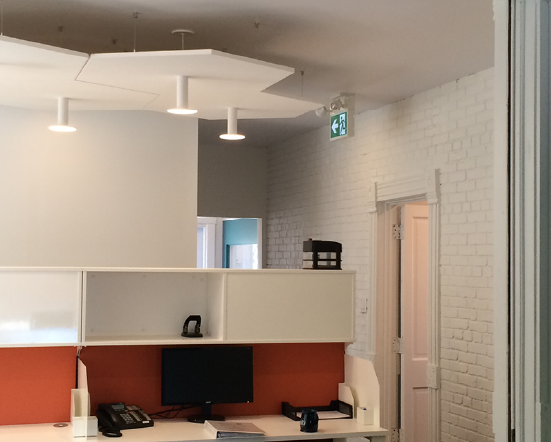
Fenn and Fenn Insurance Interior Design

The Importance of Investing in Quality Office Lighting

Proper office lighting is essential for enhancing productivity and employee well-being. By investing in the right lighting solutions, businesses can create a more comfortable and effective work environment. Enhancing Employee Productivity Good lighting significantly boosts productivity. Studies have shown that well-lit environments improve focus and efficiency among employees. Adequate lighting reduces eye strain, which can lead to fewer headaches and a greater ability to concentrate on tasks. Moreover, natural light has been associated with better moods and higher energy levels, further contributing to a productive workforce. When employees can see their work clearly and comfortably, they are more likely to produce quality results. Therefore, investing in proper lighting is a strategic move to enhance overall productivity. Improving Employee Health and Well-Being Proper lighting contributes to better health outcomes for employees. Exposure to natural light helps regulate circadian rhythms, which can enhance sleep quality and overall well-being. Additionally, poor lighting conditions can lead to discomfort, fatigue, and mental exhaustion. By providing a well-lit workspace, employers can help reduce the incidence of work-related health issues. Furthermore, creating a positive work environment through effective lighting can lead to increased employee satisfaction and reduced turnover rates. Thus, health and well-being are key factors in making a compelling case for proper office lighting. Enhancing Aesthetic Appeal Good lighting enhances the visual appeal of office spaces. A well-lit environment not only improves functionality but also creates a welcoming atmosphere. Adequate lighting highlights architectural features and facilitates better visibility of workplace aesthetics. It allows for the display of artwork and other decorative elements, enhancing the overall mood of the space. This appeal can positively influence clients and visitors, creating a favorable impression. Therefore, the investment in quality lighting also serves to elevate the brand image through visual appeal. Supporting Collaboration and Communication Effective lighting fosters collaboration and communication among employees. Open office layouts that utilize proper lighting can facilitate easier conversations and collaborative efforts. When spaces are well-lit, employees feel more comfortable engaging with one another, which can lead to the sharing of ideas and increased innovation. Good lighting can also delineate between different areas, aiding in the natural flow of communication. Consequently, creating an interactivity-friendly environment becomes easier with the right lighting design. This ultimately fosters a more dynamic workplace culture. Accommodating Diverse Working Styles Quality office lighting caters to diverse working styles. Different employees have varying preferences and needs when it comes to lighting. Some may prefer bright, focused light for detailed tasks, while others might benefit from softer, ambient lighting. Implementing adjustable lighting solutions allows individuals to tailor their work environment to suit their specific tasks and comfort levels. Furthermore, flexibility in lighting can enhance the adaptability of workspaces to accommodate various roles and responsibilities. Thus, investment in proper lighting enables personalization in the workplace. Reducing Energy Costs Efficient lighting can lead to significant energy savings. Upgrading to energy-efficient lighting solutions, such as LED bulbs, not only reduces energy consumption but also lowers electricity bills. Modern lighting systems can be equipped with sensors and timers that adjust brightness based on occupancy and natural light levels. This mindful approach to energy usage contributes to sustainability efforts while providing financial relief. Moreover, businesses can take advantage of potential tax incentives for implementing energy-efficient solutions. Therefore, investing in proper office lighting is not only environmentally responsible but economically beneficial. Compliance with Legal Standards Proper lighting is essential for meeting workplace safety regulations. Occupational health and safety regulations mandate various lighting requirements to ensure employee safety and comfort. Insufficient lighting can lead to workplace accidents and can be seen as neglecting employee welfare. By investing in proper lighting, businesses can ensure compliance with these legal standards, mitigating the risk of penalties and fostering a culture of safety. Moreover, being proactive about workplace conditions reflects positively on a companys reputation and commitment to employee care. Thus, compliance is a critical aspect of investing in proper lighting. In summary, investing in proper office lighting is a multifaceted strategy that yields numerous benefits, including enhanced productivity, improved health, and overall workplace satisfaction. As such, organizations should prioritize this investment to foster a thriving work environment.

The Importance of Investing in Quality Office Lighting Read More »

Powell Contracting Office Design Interior Design

Incorporating Biophilic Design in the Office: A Comprehensive Guide

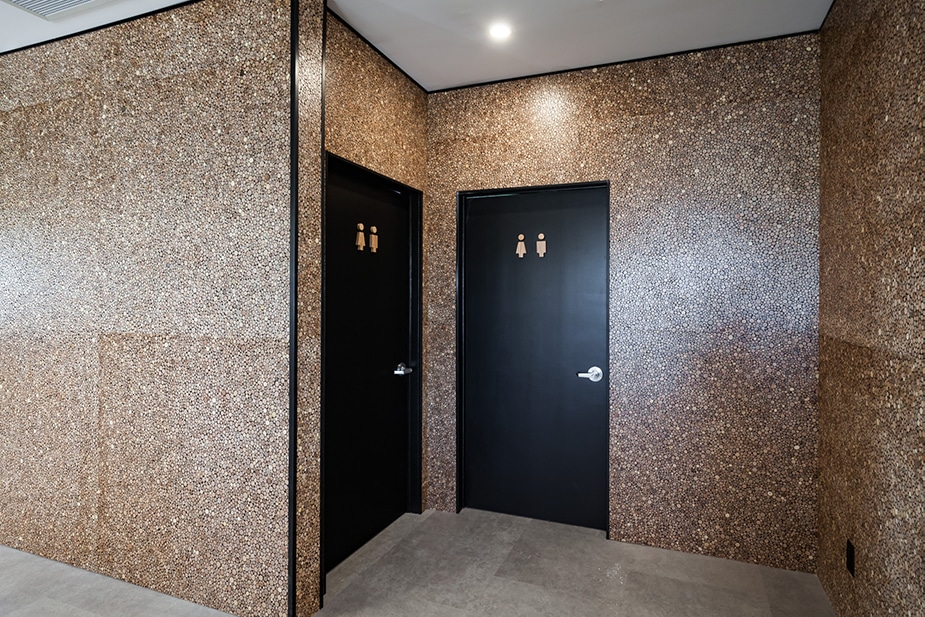
Biophilic design enhances the connection between nature and the built environment, leading to improved employee well-being and productivity. This article explores effective strategies for integrating biophilic elements into office spaces. Utilizing Natural Light Exposure to natural light boosts mood and energy levels. Maximizing natural light in the office can be achieved by designing layouts that feature large windows and open spaces. Daylight has been shown to reduce the need for artificial lighting, which can lower energy costs. Furthermore, integrating light shelves and reflective surfaces can help distribute light deeper into the workspace. Employees who work in well-lit environments tend to exhibit increased job satisfaction and improved focus. Therefore, placing workstations near windows can significantly enhance overall workspace wellness. Incorporating Outdoor Views Views of nature can significantly decrease stress levels. Designing an office space that offers views of greenery or outdoor landscapes can contribute to reducing employee stress. Research indicates that even fleeting glimpses of nature can elevate mood and lower anxiety. Architects and designers can strategically position workstations to capture external views of parks, gardens, or natural landscapes, thereby promoting a sense of tranquility. Moreover, integrating glass walls can blur the lines between indoors and outdoors, enhancing the visual connection to nature. Adding Indoor Plants Indoor plants improve air quality and workplace aesthetics. Incorporating a variety of indoor plants can not only uplift the aesthetic appeal of an office but also improve air quality. Studies have shown that plants can reduce pollutants and increase humidity, creating a healthier work environment. Popular choices include snake plants, peace lilies, and pothos, which require minimal maintenance. Employees often report feeling more relaxed and focused when in the presence of greenery, and the act of caring for plants can foster a nurturing atmosphere within the team. Creating Natural Materials Using natural materials fosters a sense of connection to the environment. Incorporating materials like wood, stone, and natural fabrics can enhance the sensory experience of an office space. These materials resonate with biophilic principles, creating a tactile connection to nature. The textures and warmth of natural elements can evoke feelings of comfort and well-being, which are essential for fostering creativity and collaboration among employees. Companies should consider sustainable sourcing to further align their design choices with environmental values. Implementing Water Features Water features promote relaxation and improve acoustics. Adding water features, such as fountains or aquariums, can create a calming atmosphere within office spaces. The sound of flowing water is known to reduce stress and provide a sense of serenity, contributing to a productive work environment. Additionally, well-placed water features can help mask unwanted background noise, creating a more pleasant acoustic setting. When designing these features, it’s important to consider appropriate sizes and placements to enhance visibility without overwhelming the space. Incorporating Biophilic Art Art depicting natural elements can evoke positive emotions. Artworks that feature natural landscapes or organic shapes can significantly uplift the aesthetic of an office. These pieces serve as a reminder of nature, fostering a sense of connection among employees. Biophilic art installations can be used in reception areas, meeting rooms, and communal spaces to spark conversations and enhance creativity. Furthermore, local artists can be engaged to create site-specific works that resonate with the companys values and geographical context. Designing Flexible Spaces Flexible workspace design supports collaboration and well-being. Creating adaptable spaces that cater to various work styles can enhance employee satisfaction. Biophilic design principles can be effectively integrated into these flexible work environments, allowing for the inclusion of natural elements while also accommodating diverse tasks. Spaces can be outfitted with movable partitions, greenery, and comfortable furniture that promotes relaxation. Such environments encourage teamwork while still providing areas for quiet reflection, thereby improving productivity and employee morale. Incorporating biophilic design into office spaces is essential for fostering a healthy, productive workplace. By blending natural elements and innovative design, companies can enhance employee well-being while also promoting sustainability.

Incorporating Biophilic Design in the Office: A Comprehensive Guide Read More »

The final design solution by Studio Forma tastefully weaves together a range of design elements, including a bold color palette that mirrors Buchner Manufacturing's brand, strategic lighting that accentuates key features, and a thoughtful layout that promotes efficient workflow and interaction. The choice of high-quality materials, including custom millwork and sophisticated finishes, underscores the company's commitment to excellence and attention to detail.

The Significant Health Benefits of Standing Desks in the Workplace

Standing desks are increasingly recognized as a valuable tool for promoting employee health and well-being. By encouraging movement and reducing sedentary behaviour, these desks contribute to a healthier workplace environment. Reduction of Sedentary Behaviour Standing desks significantly lower the amount of time employees spend sitting. Prolonged sitting has been linked to various health issues, including obesity, cardiovascular disease, and diabetes. By utilizing standing desks, employees are encouraged to adopt more active work habits. Research indicates that standing can help in burning more calories throughout the day, potentially leading to weight management and overall improved health outcomes. Furthermore, engaging in more movement while working may counteract the negative effects of sedentary behaviour. Thus, standing desks can be a simple yet effective way to foster a more active work culture. Improved Posture and Reduced Back Pain Standing desks can enhance posture and alleviate back pain. Many individuals experience discomfort and pain due to poor posture while sitting for extended periods. Standing desks promote a more neutral spine position, which can significantly reduce the strain on the back and neck. Employees who alternate between sitting and standing often report decreased back pain and discomfort. Additionally, proper ergonomics at a standing desk can encourage movement, further aiding in muscle relaxation and tension relief. Overall, improved posture leads to a more comfortable work experience and enhances productivity. Enhanced Mood and Energy Levels Using standing desks can lead to better mood and elevated energy levels. The transition to standing work can positively influence mental well-being. Studies have shown that individuals who use standing desks report lower levels of stress and fatigue. This enhancement in mood can be attributed to increased blood circulation and reduced feelings of lethargy. Moreover, the act of standing can stimulate energy and alertness, making employees more engaged in their tasks. Consequently, a lift in mood and energy can translate to improved overall work performance and satisfaction. Increased Productivity Standing desks can boost overall productivity among employees. There is growing evidence suggesting a direct correlation between standing work and productivity levels. Employees who use standing desks often share that they feel more focused and efficient while performing tasks. The reduced discomfort associated with standing can lead to fewer distractions, allowing for greater concentration on work. Furthermore, the ability to move about easily while standing can facilitate collaboration and communication among team members. Enhanced productivity in the workplace can ultimately contribute to improved business performance. Collaboration Opportunities Standing desks may foster improved collaboration and communication in the workplace. The open and flexible nature of standing desks encourages employees to engage more easily with colleagues. When employees are standing, they are more likely to move around and interact with their team members, fostering a collaborative work environment. This social interaction can lead to the sharing of ideas, brainstorming, and problem-solving. Enhanced communication not only stimulates creativity but can also improve team dynamics and morale. Thus, standing desks can contribute to a more cohesive and united workplace culture. Potential for Reduced Health Risks The use of standing desks may lower the risk of chronic diseases. Research has indicated that extended sitting is a risk factor for multiple chronic diseases, including diabetes and certain types of cancer. By substituting sitting time with standing, employees may experience a reduction in these health risks. The increased activity levels associated with standing work are thought to improve insulin sensitivity and cardiovascular health. Furthermore, the overall increase in physical movement may lead to better metabolic functioning. Taking proactive steps such as implementing standing desks can thus be a significant strategy in promoting long-term health for employees. Greater Employee Satisfaction Employees using standing desks often report higher levels of satisfaction at work. Providing standing desks can demonstrate an employer’s commitment to employee welfare, leading to greater job satisfaction. When employees feel their health needs are being prioritized, it can contribute to a positive workplace atmosphere. High levels of satisfaction can also correlate with lower turnover rates, as employees are more likely to remain in an organization that values their well-being. In summary, the integration of standing desks can enhance employee satisfaction, benefiting both the workforce and the employer. In conclusion, standing desks present a myriad of benefits that can enhance employee health and wellness. By reducing sedentary behaviour, improving posture, increasing mood, and fostering productivity, they represent a forward-thinking approach to workplace design. Employers are encouraged to consider the implementation of standing desks to cultivate a healthier workplace culture.

The Significant Health Benefits of Standing Desks in the Workplace Read More »

The Effects of Color Psychology on Workplace Design

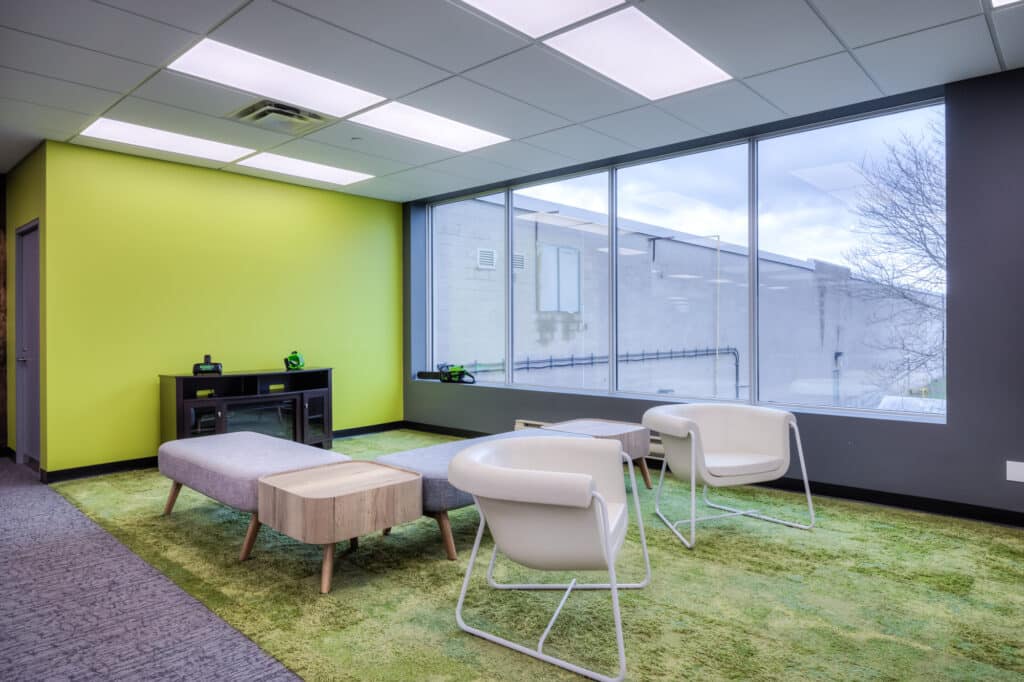
Color psychology significantly influences workplace design, impacting employee productivity and well-being. Understanding how different colors affect moods can help create environments that enhance performance. Understanding Color Psychology Color can directly influence emotions and behaviour. Each color elicits different emotional responses; for instance, blue is often associated with calmness and increased focus, while yellow can evoke feelings of happiness and creativity. This psychological impact can lead to enhanced employee satisfaction and decreased stress levels. By thoughtfully incorporating specific colors into the workplace, designers can create spaces that resonate positively with individuals. For example, a well-planned use of color can foster a more collaborative and innovative work culture. The Role of Warm Colors Warm colors can stimulate energy and increase alertness. Warm colors, such as red, orange, and yellow, tend to energize and stimulate activity. These hues can encourage teamwork and communication among employees, which is essential for collaborative projects. However, an overuse of warm colors can lead to feelings of agitation or overwhelm. Its crucial to balance warm tones with cooler colors to create a harmonious environment. This strategic use of color can result in a dynamic workplace promoting both enthusiasm and comfort. The Impact of Cool Colors Cool colors promote calmness and concentration. Cool colors like blue, green, and purple are known for their calming effects and can enhance concentration and productivity. These colours are ideal for spaces designed for focused tasks, allowing employees to maintain their composure during high-pressure situations. They also encourage relaxation, helping to reduce workplace anxiety. By incorporating cool colors into areas such as break rooms and conference spaces, employers can create a balanced environment that fosters both tranquillity and efficiency. Color and Brand Identity Color choices in the workplace reflect organizational values. Colors used in a company’s interior design can align with its brand identity and values. For instance, a tech company might choose modern, cool tones to evoke innovation, whereas a wellness brand could incorporate earthy tones to represent health and authenticity. This visual connection reinforces brand loyalty and can improve employee alignment with company goals. By making strategic colour choices, organizations can enhance their overall image both internally and externally. Cultural Considerations in Color Use Colors can have different meanings across cultures. It is essential to consider cultural perceptions of color when designing workplaces, as colors may hold various meanings in different cultures. For instance, while white is often associated with purity in some cultures, in others, it may symbolize mourning. Understanding these nuances can help multinational companies create inclusive environments that resonate with diverse workforces. This thoughtfulness can improve employee morale and promote a sense of belonging among team members. The Psychological Effects of Color Saturation The intensity of color can affect mood and productivity. Not only does color choice matter, but so does the saturation and brightness of those colors. Highly saturated colors can energize and motivate, but excessive brightness can be distracting or overstimulating. Conversely, muted colors may create a sophisticated and calm atmosphere, yet they can also risk making the environment feel dull. Balancing saturation levels is critical; incorporating variations can create dynamic spaces that engage employees without overwhelming them. Practical Implementation of Color Psychology Implementing color psychology requires careful planning. To successfully integrate color psychology into workplace design, organizations must conduct assessments of both their brand identity and employee needs. Collaborating with design professionals can help ensure that color selections are not only aesthetically pleasing but also functional. Additionally, soliciting employee feedback on color preferences can foster inclusivity and engagement. By focusing on both psychological and practical considerations, businesses can create spaces that enhance well-being and productivity. Understanding the impact of color psychology is crucial for designing productive workplaces. By strategically selecting colors based on their psychological effects, organizations can enhance employee satisfaction, creativity, and overall performance.

The Effects of Color Psychology on Workplace Design Read More »

Kott Lumber Construction Interior Design, Office Design

The Importance of Choosing Sustainable Materials for Office Furniture

Selecting sustainable materials for office furniture is crucial for promoting environmental responsibility and enhancing workplace health. By prioritizing eco-friendly options, businesses can reduce their carbon footprint and foster a culture of sustainability. Environmental Benefits of Sustainable Materials Sustainable materials help reduce environmental impact. Choosing sustainable materials significantly lowers the ecological footprint of office furniture. These materials are often sourced from renewable resources, which helps mitigate deforestation and encourages responsible manufacturing practices. Additionally, they often use less energy in their production processes, contributing to lower greenhouse gas emissions. By opting for sustainable options, companies can play a vital role in protecting biodiversity and conserving natural resources. Implementing such choices also aligns with global sustainability initiatives, showcasing corporate commitment to environmental stewardship. Health and Well-being of Employees Sustainable materials promote a healthier work environment. Utilizing sustainable materials in office furniture can improve indoor air quality and reduce exposure to harmful chemicals. Many conventional materials are treated with toxic substances that can off-gas and lead to numerous health issues for employees. In contrast, eco-friendly materials are often non-toxic and hypoallergenic, fostering a safer workspace. Furthermore, an increase in biophilic design elements, such as natural wood and plants, can enhance employee mood and productivity. As a result, choosing sustainable furniture goes beyond aesthetics; it directly contributes to employee wellness. Cost Efficiency in the Long Run Investing in sustainable materials can lead to cost savings. While the initial investment in sustainable office furniture may be higher, these materials often lead to significant cost savings over time. Their durability means they require less frequent replacement, reducing long-term expenditures. Additionally, many sustainable options come with higher energy efficiency ratings, contributing to decreased utility costs. Efficient manufacturing practices also often involve less waste and better resource management, which can translate to further financial benefits for the company. Ultimately, a sustainable approach fosters a smarter allocation of financial resources. Corporate Social Responsibility (CSR) Sustainable materials enhance corporate image and CSR. Incorporating sustainable materials into office furniture is a tangible demonstration of a companys commitment to corporate social responsibility. This act not only resonates with environmentally conscious consumers but also attracts investors and partners who value sustainability. By making responsible choices, companies contribute to a positive public perception and can differentiate themselves in a competitive market. Moreover, employees often feel more engaged and aligned with a company that prioritizes sustainability, boosting morale and loyalty. Ultimately, CSR initiatives tied to sustainable practices create a win-win situation for both the business and society. Incentives and Regulations Government incentives encourage the use of sustainable materials. Many governments offer incentives for businesses that choose sustainable materials for their operations, including tax breaks and grants. These incentives aim to encourage companies to shift toward more environmentally friendly practices and reduce barriers to entry for sustainable products. In addition to financial benefits, adhering to growing regulations around sustainability can position companies favorably in their industries. As regulations become stricter, businesses that proactively adopt sustainable practices will likely face fewer compliance issues in the future. Consequently, choosing sustainable office furniture becomes not just a responsible decision, but a strategic one as well. Aesthetic Appeal and Design Flexibility Sustainable materials can enhance the aesthetic value of an office. Modern sustainable materials offer a variety of aesthetic options, allowing businesses to create attractive and functional workspaces. From reclaimed wood to bamboo and recycled metals, these materials add a unique character to office interiors while promoting sustainability. Designers can utilize these materials to create innovative, inspiring environments that reflect the company’s values. This focus on aesthetics while using sustainable options can be a great way to attract talent and impress clients. Moreover, as preferences shift towards minimalism and green design, incorporating sustainable furniture can position a brand as forward-thinking and contemporary. Future-Proofing the Workspace Sustainable materials prepare businesses for future challenges. Choosing sustainable office furniture equips businesses to face future challenges related to environmental change and resource availability. As awareness of environmental issues grows, the demand for sustainable practices will continue to rise. By embracing sustainable materials, companies not only contribute to a healthier planet but also ensure their long-term viability in a shifting market. This proactive approach to sustainability can create competitive advantages, as consumers increasingly prefer brands that support eco-friendly initiatives. Ultimately, investing in sustainable materials is an investment in a resilient future. In conclusion, selecting sustainable materials for office furniture is not just an ethical choice; it brings a multitude of benefits encompassing environmental impact, employee well-being, cost savings, and corporate image. As businesses strive for sustainability, making informed choices about office furniture can lead to a more responsible, productive, and appealing workspace.

The Importance of Choosing Sustainable Materials for Office Furniture Read More »

Fenn and Fenn Insurance Interior Design

Maximizing Space in a Small Office: Smart Strategies

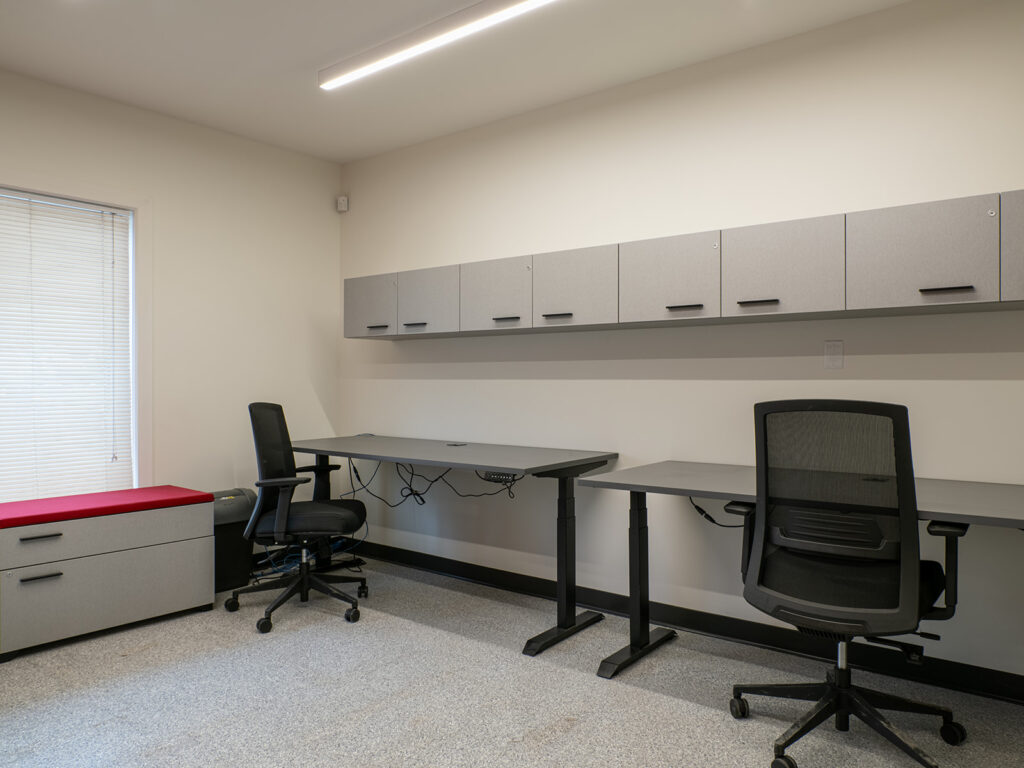
Creating a functional and comfortable small office requires strategic planning and smart organization. By implementing effective space-saving techniques, you can enhance productivity and create a more enjoyable work environment. Utilize Vertical Space Incorporate shelves and wall organizers. Maximizing vertical space is crucial in a small office. Shelves can be used to store books, files, and decorative items without taking up valuable floor space. Wall organizers and pegboards allow you to hang office supplies, keeping them accessible while creating a clean and organized look. Consider floating shelves to eliminate the need for bulky furniture and to create an illusion of more space. Remember to take advantage of both the wall area and the area above your desk for additional storage. Choose Multi-Functional Furniture Invest in furniture that serves multiple purposes. Selecting multi-functional furniture is a practical way to save space. Desks with built-in storage compartments can help you declutter your workspace while providing necessary surfaces for work. Choose chairs that can double as storage units or tables that can be folded away when not in use. This approach not only optimizes space but can also contribute to a more minimalist aesthetic. By combining functionality with style, you can maintain a professional appearance without the bulk of traditional office furniture. Declutter Regularly Maintain a disciplined cleaning schedule to reduce clutter. Regular decluttering is essential for preserving the functionality of a small office. Set aside time weekly to remove unnecessary items and organize your workspace. Utilize desk organizers to keep small items, like pens and paperclips, easily accessible without cluttering your desktop. Digital decluttering is equally important; regularly update your computer files and emails to keep your digital workspace clear. A tidy environment promotes focus and creativity while reducing workspace distractions, making it easier to concentrate on tasks. Incorporate Smart Storage Solutions Employ creative storage options like under-desk bins. Smart storage solutions can dramatically improve the efficiency of a small office. Use under-desk storage bins or carts to hold office supplies out of sight while remaining easily accessible. Invest in stackable containers for files and documents, allowing you to organize while maximizing vertical space. Even office dcor can serve a storage purpose; decorative boxes can conceal items while enhancing the overall aesthetic. Harnessing creative storage methods can seamlessly blend form and function in your workspace. Optimize Your Layout Rearrange your layout for better flow and accessibility. An efficient office layout significantly impacts productivity. Assess your current setup and consider how furniture placement affects workflow. Ensure frequently used items are easily accessible, reducing the need for unnecessary movements. A U-shaped desk configuration can enhance accessibility in tight spaces, while ergonomic arrangements improve comfort during longer working hours. Taking the time to optimize your layout can foster an inviting and efficient work environment. Keep Personal Items Minimal Limit personal items to avoid clutter. While it’s important to make your workspace feel personal, too many personal items can create visual clutter. Choose a few meaningful items to display, keeping your desk visually appealing and functional. Consider rotating personal items occasionally to refresh your office aesthetic without overcrowding your space. Utilize digital photos instead of physical frames to save space while still capturing cherished memories. This balance will create a more open and inviting environment. Leverage Technology Use technology to reduce physical materials. Leveraging technology can simplify your workspace and minimize clutter. Transitioning to digital document management systems reduces the need for physical filing cabinets, allowing for a more open layout. Use task management applications to keep track of projects and deadlines without cluttering your desk with sticky notes and papers. Additionally, consider using cloud storage solutions to easily access files from multiple devices while reducing the need for physical storage. Embracing technology can lead to greater efficiency and a cleaner workspace. By employing these strategies, you can transform a small office into a productive and organized environment. Prioritizing smart storage, layout optimization, and technology integration will help you maximize every inch of available space.

Maximizing Space in a Small Office: Smart Strategies Read More »

Roxborough Residential Interior Design

The Pros and Cons of Open Floor Plans in Modern Homes

Open floor plans have become a popular choice in home design, offering a blend of contemporary style and functional space. However, this layout comes with both benefits and drawbacks that homeowners must consider. Benefits of Open Floor Plans Open floor plans enhance social interaction. By removing walls, open floor plans create inviting spaces that encourage family members and guests to interact easily. This layout allows for seamless conversations and activities, whether cooking in the kitchen or lounging in the living area. The flow between spaces can foster a sense of connection, making gatherings more lively and enjoyable. Families with children benefit, as parents can supervise while still engaging with others. Overall, this design promotes an atmosphere of togetherness. Increased Natural Light Open layouts allow for better natural lighting. With fewer partitions blocking the light, open floor plans maximise the amount of natural light entering the home. This illumination not only reduces the need for artificial lighting during the day but also enhances the overall mood of the space. Natural light can make rooms appear larger and more spacious, contributing to a more inviting ambiance. Additionally, exposure to sunlight has psychological benefits, promoting better mental health. Homeowners can also enjoy a more energising and vibrant living environment. Flexibility in Design Open floor plans provide versatile living spaces. The absence of walls allows homeowners to modify the layout according to their needs and preferences. This flexibility enables residents to arrange furniture and decor in a way that suits their lifestyle, whether for entertaining or family activities. Moreover, the open concept can adapt to future changes, such as accommodating a growing family or shifting decor trends. Homeowners can easily define spaces with furniture, rugs, or even partial walls, maintaining the fluidity of the open layout while personalising it. Potential Noise Issues Open floor plans can lead to increased noise levels. While open spaces encourage engagement, they can also amplify sound, making it challenging to maintain a quiet environment. Activities such as cooking, watching television, or playing games can create distraction and disrupt peace in the home. This can be particularly problematic for those who work from home or need a quiet area for study and relaxation. Homeowners might need to invest in soundproofing solutions or strategic furniture arrangements to minimise noise pollution in open layouts. Loss of Privacy Open floor plans may reduce personal privacy. In a home with an open layout, individual spaces can feel exposed, making it difficult to find solitude or quiet. Family members may feel that they are always in each other’s business, which can lead to discomfort over time. This lack of privacy might not be ideal for families with teenagers or those who value personal space. Homeowners must balance the sense of openness with the need for private areas to retreat when needed, possibly integrating designated nooks or semi-enclosed spaces. Challenges in Climate Control Heating and cooling can be less efficient in open floor plans. With expansive areas to condition, open floor plans can pose challenges for temperature regulation. Heating and cooling systems may struggle to maintain consistency across large spaces, leading to cold drafts in some areas while others feel overheated. Homeowners may find themselves investing in additional climate control solutions to ensure comfort throughout the entire space. This inefficiency can lead to higher energy costs, prompting a need for greater insulation or zoned heating and cooling systems. Impact on Resale Value Open floor plans can influence property resale potential. While many buyers are drawn to the appeal of open layouts, trends in home design can shift over time. What is desirable today might not be as appealing to future buyers, depending on market preferences. Moreover, the potential drawbacks of noise and lack of privacy may deter some homebuyers. Sellers must weigh the pros and cons of their open design and consider how to market it effectively to attract potential buyers looking for flexibility without sacrificing comfort. Ultimately, open floor plans offer distinct advantages and disadvantages that must be carefully evaluated. While they enhance social interaction and allow for versatile design, they also pose challenges related to noise, privacy, and climate control. Homeowners should assess their lifestyle needs and long-term goals when deciding if an open floor plan is the right choice.

The Pros and Cons of Open Floor Plans in Modern Homes Read More »

OFFICE INTERIOR DESIGN

The Importance of Soundproofing Your Office Space

Investing in soundproofing your office can significantly enhance the working environment by reducing noise pollution. This not only improves productivity but also fosters a more professional atmosphere for clients and employees alike. Increased Productivity Minimising distractions leads to higher employee output. A quieter environment allows employees to concentrate better, which directly impacts their productivity levels. When soundproofing measures are implemented, interruptions from outside noise are reduced, enabling workers to focus on their tasks. Studies have shown that reduced noise distractions correlate with an increase in the efficiency of work completed. Additionally, employees can engage in deeper thinking and problem-solving without the constant distraction of ambient noise. Ultimately, this results in higher quality work and enhances overall job performance. Enhanced Employee Well-Being Soundproofing contributes to a healthier workplace mental climate. Excessive noise can lead to stress and fatigue among employees. By investing in soundproofing, companies can create a more serene work environment that promotes mental well-being. Employees who work in quieter spaces are less likely to experience anxiety or burnout. This in turn leads to increased job satisfaction and morale, fostering a more positive workplace culture. Moreover, a calm environment allows for better collaboration and communication among team members. Improved Client Experience Soundproofing enhances professionalism during client interactions. For many businesses, an office space is a reflection of their brand image. Ensuring a quiet environment for client meetings is crucial for maintaining professionalism. With soundproofing, important discussions can occur without being disrupted by external noise, which enhances the overall experience for clients. A peaceful setting instills confidence and shows clients that their business is valued. This attention to detail can be a significant differentiator in competitive industries. Increased Privacy Soundproofing ensures confidentiality in sensitive discussions. In any business, the ability to hold private conversations is essential, especially when dealing with confidential information. By soundproofing meeting rooms and workspaces, companies can ensure that sensitive discussions remain confidential and are not overheard. This protection of information builds trust with clients and employees alike. Additionally, a focus on privacy helps in creating a more open dialogue within the team regarding sensitive issues, fostering an environment of honesty. Cost-Effectiveness in the Long Run Investing in soundproofing can reduce costs associated with employee turnover. While the initial investment in soundproofing may seem significant, the long-term financial benefits can outweigh these costs. A quieter workplace leads to happier employees who are less likely to leave for a more conducive work environment. Reduced turnover translates to lower hiring and training costs. Moreover, soundproofing can also lead to a decrease in workplace accidents and errors, further saving costs. Companies that overlook soundproofing may find themselves facing greater financial implications in the future. Compliance with Regulations Soundproofing helps businesses adhere to noise regulations. In many jurisdictions, businesses are legally required to maintain noise levels within a certain range. By investing in soundproofing, companies ensure compliance with these regulations, thus avoiding potential fines or legal issues. Meeting or exceeding these standards not only protects the company legally but also enhances the company’s reputation within the community. As society becomes increasingly aware of environmental and workplace standards, proactive measures like soundproofing can position a business positively. Boosting Brand Image A soundproof office creates a positive impression of the brand. In today’s competitive market, brand image is vital for attracting clients and retaining talent. A soundproofed office communicates professionalism and attention to detail, enhancing the company’s reputation. Clients and employees will associate the business with quality and care, which can lead to further opportunities and referrals. A well-designed, quiet office space is often viewed as innovative and forward-thinking, making it an essential aspect of modern business strategy. Investing in soundproofing your office is not just about noise reduction; it’s a multifaceted strategy that boosts productivity, enhances employee well-being, and improves client relationships. The benefits far outweigh the costs, making soundproofing a wise investment for any business looking to thrive in today’s noisy world.

The Importance of Soundproofing Your Office Space Read More »

Fenn and Fenn Insurance Interior Design

The Impact of Natural Light on Office Design

Natural light plays a crucial role in enhancing the work environment within office spaces. By integrating natural light into office design, businesses can improve employee well-being, productivity, and overall satisfaction. Increased Productivity Natural light has been shown to boost employee productivity levels. Research indicates that access to natural light in the workplace leads to higher levels of concentration and efficiency among employees. Natural light reduces fatigue and increases alertness, allowing workers to stay focused for longer periods. In contrast, poorly lit workspaces can lead to distractions and decreased motivation. Furthermore, offices that incorporate large windows and skylights tend to create open, inviting atmospheres that foster creativity. Overall, maximizing natural light can result in measurable gains in productivity across various sectors. Enhanced Well-Being Exposure to natural light is linked to improved mental health. Natural light exposure has significant psychological benefits, including reduced stress and better mood regulation. Employees who work in environments filled with sunlight report lower levels of anxiety and higher overall job satisfaction. Additionally, natural light helps regulate circadian rhythms, leading to improved sleep patterns. This, in turn, results in employees arriving at work feeling more rested and energized. A focus on incorporating natural light in office design demonstrates a commitment to the well-being of staff. Better Energy Efficiency Utilizing natural light can lead to significant energy savings. Integrating natural light into office spaces reduces reliance on artificial lighting systems, which can substantially lower energy costs. Buildings designed to optimize daylight use can decrease electricity consumption, particularly during daytime hours. Moreover, the reduced need for artificial lighting translates into a lower environmental impact, aligning with corporate sustainability goals. Financially, the initial investment in good architectural design for natural lighting can lead to long-term savings for companies. Harnessing natural light is not only beneficial for employee health, but also for the bottom line. Improved Aesthetic Appeal Natural light enhances the aesthetic quality of office spaces. Designing offices with ample natural light creates inviting environments that attract clients and employees alike. Spaces filled with sunlight appear more open and welcoming, which can significantly enhance the overall workplace atmosphere. Additionally, natural light helps highlight architectural features and interior design elements, making spaces feel more vibrant. When offices appear visually appealing, it not only improves employee morale but can also enhance the company’s public image. An aesthetically pleasing environment encourages collaboration and teamwork, fostering a more cohesive workplace culture. Increased Employee Retention Natural light contributes to higher employee retention rates. A workspace that prioritizes natural light is more likely to foster employee loyalty and reduce turnover rates. When employees feel comfortable and valued in their work environment, they are less inclined to seek opportunities elsewhere. The benefits of natural light, such as improved mood and well-being, play a significant role in overall job satisfaction. Furthermore, companies that invest in quality office design show their commitment to creating a positive workplace, making them more attractive to current and prospective employees. Long-term retention of skilled workers is essential for maintaining organizational knowledge and effectiveness. Influence on Collaboration Natural light encourages collaboration and interaction among employees. Office spaces bathed in natural light promote openness and communication, which can lead to enhanced teamwork. Well-lit environments help to break down barriers and encourage spontaneous interactions, aiding in collaborative efforts. Such atmospheres enable employees to feel more connected to one another, fostering a sense of community within the organization. Additionally, designing open spaces with natural lighting stimulates creativity and innovative thinking. Ultimately, a culture of collaboration enhances problem-solving capabilities and drives the success of projects. Adaptability of Space Natural light facilitates the flexibility and adaptability of workspaces. Workspaces that incorporate natural light can be easily configured for various functions and activities. This adaptability is increasingly important in modern work environments where flexibility is key to meeting evolving business needs. Areas that are well-lit can accommodate both solitary work and collaborative tasks without the need for significant alterations. Natural light encourages the design of multi-functional spaces that can be used for meetings, socializing, or focused work as needed. This flexibility helps organizations respond dynamically to changing demands while maximizing the use of available resources. Harnessing the benefits of natural light in office design is essential for enhancing employee productivity, well-being, and satisfaction. By focusing on this aspect of workplace design, businesses can create environments conducive to collaboration, innovation, and longevity. Ultimately, the integration of natural light not only elevates the office aesthetic but also fosters a healthier, more engaged workforce.

The Impact of Natural Light on Office Design Read More »

Greenworks Interior Design Office Design

Creating a Collaborative Workspace: Key Strategies for Success

In today’s fast-paced work environment, fostering a collaborative workspace is essential for maximizing productivity and innovation. This article outlines crucial strategies to create a workplace where teamwork thrives. Establish Clear Goals and Objectives Defining shared goals is fundamental to collaboration. When team members understand the common objectives, they can work together more effectively. Clear goals provide direction and help to align individual efforts with the overall mission of the group. Documenting these goals ensures that everyone is accountable and focused. Regularly revisiting these objectives can help the team adapt to changing circumstances and maintain motivation. Encouraging input from all team members in goal-setting fosters a sense of ownership and engagement. Encourage Open Communication Facilitating communication channels is vital for collaboration. A collaborative workspace thrives on open dialogue among team members. Establishing regular check-ins, using collaborative tools, and creating an environment where everyone feels comfortable sharing ideas can significantly enhance communication. Encouraging constructive feedback and active listening helps deepen relationships among colleagues. Utilize both formal and informal communication methods to cater to different preferences and styles. Moreover, acknowledging and addressing concerns promptly can foster trust and transparency. Foster a Culture of Trust Trust among team members is the cornerstone of effective collaboration. Building a culture of trust requires time and consistent effort from leadership and staff alike. Teams should feel safe to express their opinions, take risks, and make mistakes without fear of judgment. Establishing insights into each member’s strengths and weaknesses can enhance collaboration, as individuals will be more willing to rely on one another. Hosting team-building activities can also strengthen relationships, promoting friendship and mutual respect. Regularly recognizing achievements, both big and small, can further bolster trust within the group. Implement Collaborative Tools Utilizing technology can streamline collaboration. Incorporating digital tools such as project management software, shared documents, and instant messaging platforms can significantly facilitate teamwork. These technologies allow for real-time collaboration, making it easier to share ideas and track progress. Training team members to effectively use these tools is essential to maximize their potential. Moreover, selecting tools that align with team workflows will enhance adoption and user satisfaction. Regular updates and evaluations of these tools will ensure they remain effective and relevant. Create an Inclusive Environment Diversity and inclusion are crucial for fostering innovation. An inclusive workspace welcomes diverse perspectives, which can lead to more creative solutions. Encouraging participation from all voices, regardless of position or background, ensures a rich exchange of ideas. Providing training on cultural competency and bias mitigation can help team members understand and appreciate differing viewpoints. Furthermore, adopting flexible work practices can accommodate various working styles and personal circumstances. Celebrating diversity within the team will enhance morale and cohesion. Encourage Continuous Learning Promoting professional development supports collaboration. Investing in continuous learning opportunities demonstrates a commitment to employee growth and collaboration. Offering workshops, seminars, or online courses enables team members to develop new skills and share their knowledge with others. Encouraging cross-training can facilitate understanding of different roles within the team, fostering empathy and collaboration. Moreover, mentorship programs can create bonds between experienced individuals and newcomers, enhancing the overall team dynamic. Recognizing and celebrating learning achievements can further motivate team members. Evaluate and Adapt Collaboration Strategies Regular assessment of collaboration practices can drive improvement. Establishing metrics to evaluate the success of collaborative efforts is critical for continuous improvement. Regular feedback sessions can help identify what is working well and what needs adjustment. Adaptability is essential, as the dynamics of a team can change over time due to varied factors such as personnel changes or project shifts. Conducting surveys or focus groups can provide valuable insights into team members experiences. Committing to evolving collaboration strategies can enhance overall effectiveness and satisfaction. Creating a collaborative workspace requires intentional strategies focused on communication, trust, and inclusivity. By implementing the discussed practices, organizations can foster a productive environment that harnesses the power of teamwork for greater success.

Creating a Collaborative Workspace: Key Strategies for Success Read More »